What total budget band do you expect?
No votes yet. Yours will be the first. · saved on this device
Loading...
Gazebo Guidebook · Costs
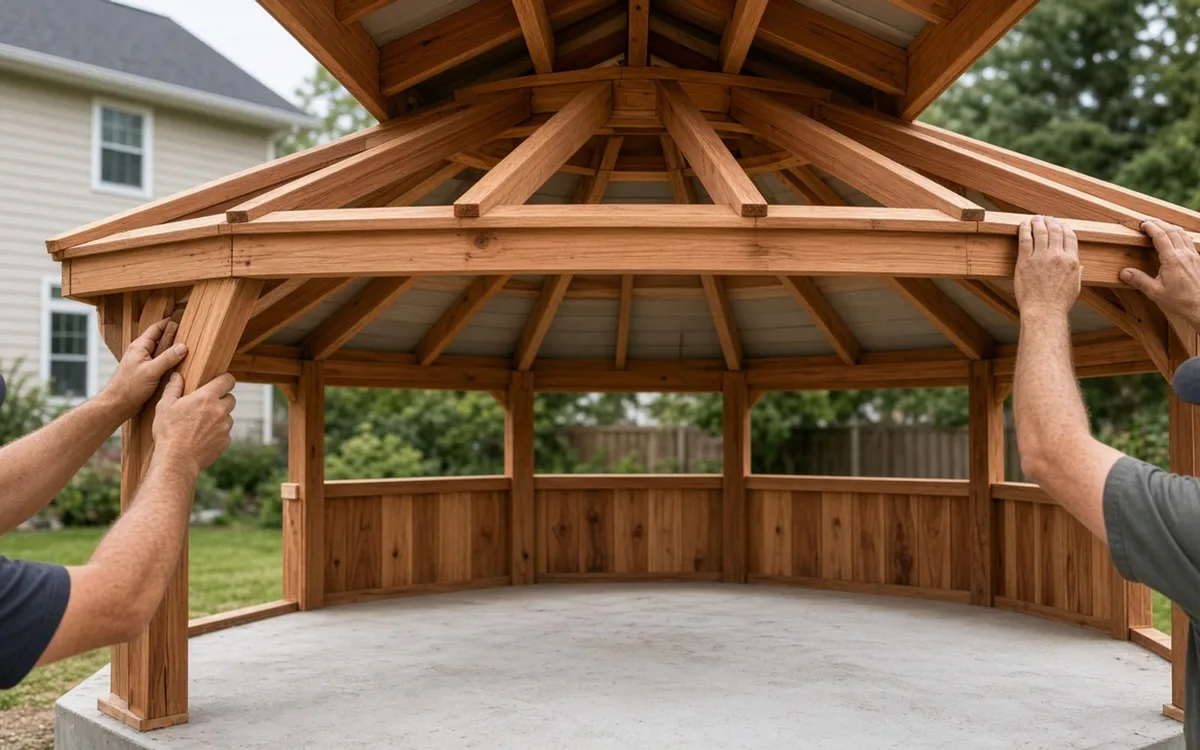
An installed gazebo costs $7,590 on average in LawnLove's national figures, and most homeowners pay $5,365 to $9,025; HomeAdvisor's lower $4,766 average includes many kit installs. By scope, a kit runs $3,600 to $8,600 plus $500 to $1,500 for assembly, a custom build $60 to $100 per square foot, and a re-roof or screen job a fraction of either.
By Gazebo Guidebook editorial · Updated 2026-09-25
The published averages disagree because they measure different things. Angi's overall average of $4,708 and HomeAdvisor's $4,766 blend small kit assemblies with larger builds; Fixr's $8,750 is a built 10-by-10; LawnLove's $7,590 sits between. None is wrong. Each describes a scope, and the first job of a cost guide is to say which scope you are in.
This guide owns cost by size, shape and material across the whole topic; the calculator turns the ranges into a figure for your footprint, and the per-service cost pages price each scope's line items.
Kit with professional assembly: HomeGuide's 2026 guide prices kits at the low end of $3,600 to $8,600 vs $60 to $100/sq ft, LawnLove puts assembly labor at $500 to $1,500, and Thumbtack's March 2026 data gives a $628 average for simpler jobs. Add a base if you do not have one. Material benchmarks for small units follow in their own table, because the published sources rank the materials differently.
Custom build: HomeGuide's $60 to $100 per square foot and Fixr's $75 to $100/sq ft agree closely, and Homewyse's September 2026 figure for wood installation is $64 to $95/sq ft. By size, Fixr lists a 10-by-10 at $7,500 to $10,000 and a 12-by-12 at $10,800 to $14,400. HomeAdvisor's 2026 guide puts the custom premium over a comparable kit at $5,000 to $11,000.
Repair and restoration: the scope is a list rather than a structure. Angi's roofing table prices asphalt at $3 to $5/sq ft and metal at $5 to $30/sq ft, Inch Calculator prices a screen kit at $500 to $800, and a wood finish job on a 10 to 12 foot gazebo typically runs a few hundred to $1,500. Post replacement is the line that moves a restoration toward a rebuild.
Size is the biggest single driver, and the two guides that publish a size table agree almost exactly. Fixr's 2025 table and LawnLove's December 2025 table both scale at roughly $70 to $100 per square foot installed, so each extra foot of width costs about the same as the last. The table in this section sets them side by side; the figures describe a professionally built structure, not a kit bought online.
Two things follow. First, a 12-by-12 costs about 44% more than a 10-by-10 because it has 44% more floor, so pick the smallest interior that seats your furniture. Second, a kit changes the slope rather than the scale: a 10-by-12 hardtop kit plus assembly sits well below the 100-square-foot row, which is why HomeAdvisor's all-scope average of $4,766 is lower than any row here. The calculator applies the same per-foot logic to your footprint.
| Footprint | Fixr 2025, installed | LawnLove Dec 2025, installed |
|---|---|---|
| 8 x 8 (64 sq ft) | $4,800 to $6,400 | $4,480 to $6,400 |
| 10 x 10 (100 sq ft) | $7,500 to $10,000 | $7,000 to $10,000 |
| 12 x 12 (144 sq ft) | $10,800 to $14,400 | $10,080 to $14,400 |
| 14 x 20 (280 sq ft) | $21,000 to $28,000 | Not listed |
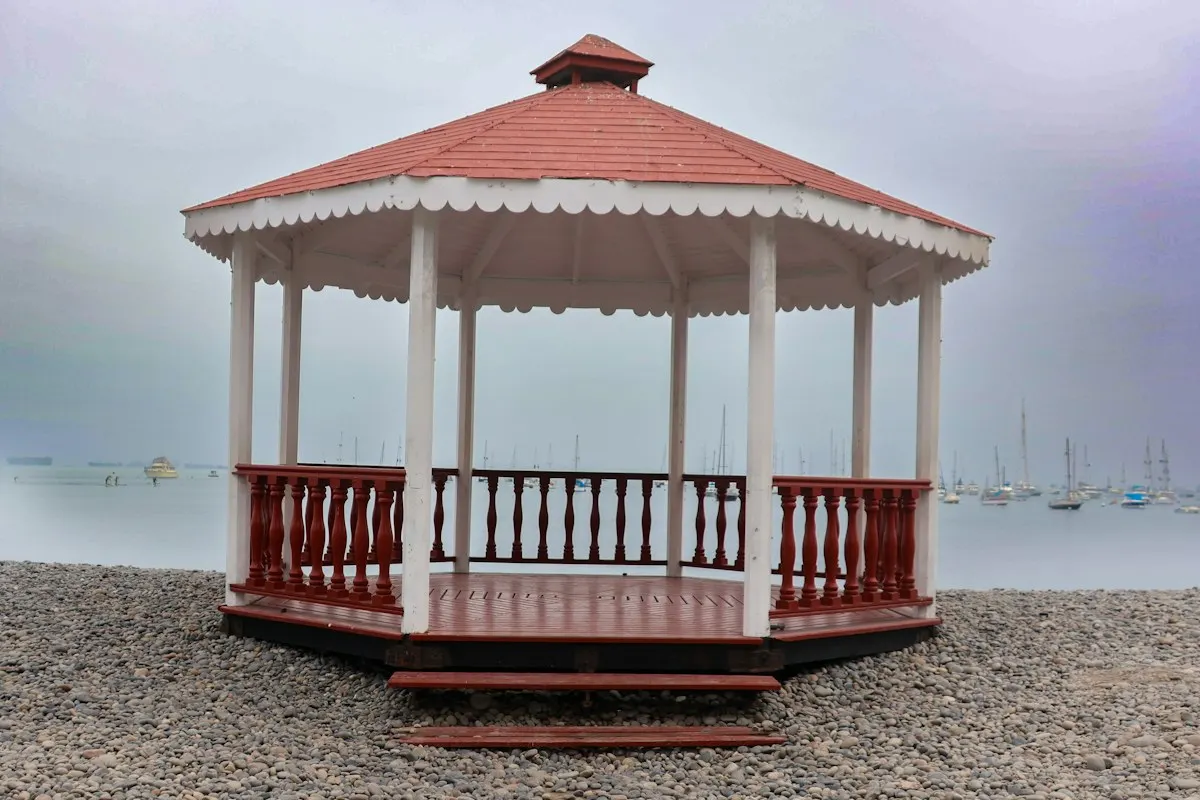
The two most-cited material tables put vinyl and brick in opposite order. Angi's July 2026 guide and HomeAdvisor's June 2026 guide share one table that makes vinyl the cheapest at $2,000 to $3,500 and brick one of the dearest at $4,000 to $7,500. LawnLove's December 2025 table reverses it: brick cheapest at $2,100 to $3,600 and vinyl at $4,100 to $7,600. Wood and metal land in nearly the same place in both.
The disagreement is about what each row describes. A small vinyl kit and a full-size Amish vinyl structure are both vinyl gazebos, and a brick row can mean a brick floor under a light frame or brick piers under a heavy one. Fixr's materials-only table, $500 to $15,000, puts vinyl above wood at $6,800 to $9,000, which matches LawnLove's order for full-size structures. Use the Angi and HomeAdvisor column for small kits and the LawnLove column for built structures, and ask any bid which one it is.
| Material | Angi and HomeAdvisor, 2026 | LawnLove, Dec 2025 |
|---|---|---|
| Vinyl | $2,000 to $3,500 | $4,100 to $7,600 |
| Wood | $4,000 to $7,000 | $4,100 to $6,900 |
| Metal | $3,000 to $8,500 | $2,900 to $8,300 |
| Brick | $4,000 to $7,500 | $2,100 to $3,600 |
Up: shape, enclosure and site. Fixr lists octagonal designs at $5,000 to $12,000 against $3,000 to $10,000 for rectangular, because eight posts, eight hips and a hub take more cuts and more flashing; the shape table in this section adds HomeAdvisor's and LawnLove's ranges. Walled or screened-room designs run $10,000 to $15,000 in Fixr's guide. Frost-depth footings, a sloped site, a deck-mounted structure and carry-in access each add labor. A county with high snow or wind loads adds engineering, and a metal roof upgrade adds material.
Down: rectangular plan, an existing sound slab, easy access, shingles, no screens and no electrical. A rectangular hardtop kit on a slab you already own is the least expensive durable structure most people can buy. Choosing a smaller interior that still seats the furniture, rather than the next size up, is the single biggest saving, since cost scales almost linearly with floor area in Fixr's size table.
| Shape | Fixr 2025 | HomeAdvisor 2026 | LawnLove Dec 2025 |
|---|---|---|---|
| Round or oval | Not listed | $1,500 to $8,000 | $1,500 to $8,000 |
| Square or rectangular | $3,000 to $10,000 | $2,000 to $12,000 | $2,500 to $11,000 |
| Hexagonal | $5,000 to $11,000 | $3,000 to $8,000 | $3,750 to $8,000 |
| Octagonal | $5,000 to $12,000 | $3,500 to $8,000 | $4,000 to $9,000 |
| Dodecagon (12 sides) | Not listed | $7,000 to $10,000 | $8,000 to $11,500 |
On a kit the split is lopsided toward materials: a $5,000 kit with $1,000 of assembly is about 83% product. On a custom build it is closer to even. Fixr's materials-only table runs $500 to $15,000 from fabric to reinforced concrete, and Fixr puts carpentry labor on a standard 9-foot custom gazebo at about $7,000. HomeAdvisor's 2026 labor span of $1,500 to $9,000 covers everything from a kit assembly to a full custom build.
That split matters when you compare bids. A custom bid with a low labor line and a high material line may be using a builder's supply markup; one with the reverse may be pricing the crew's time realistically and buying materials at cost. Neither is wrong, but the total is what you pay, and a bid that separates the two lets you see whether a material upgrade or a simpler design changes the number.
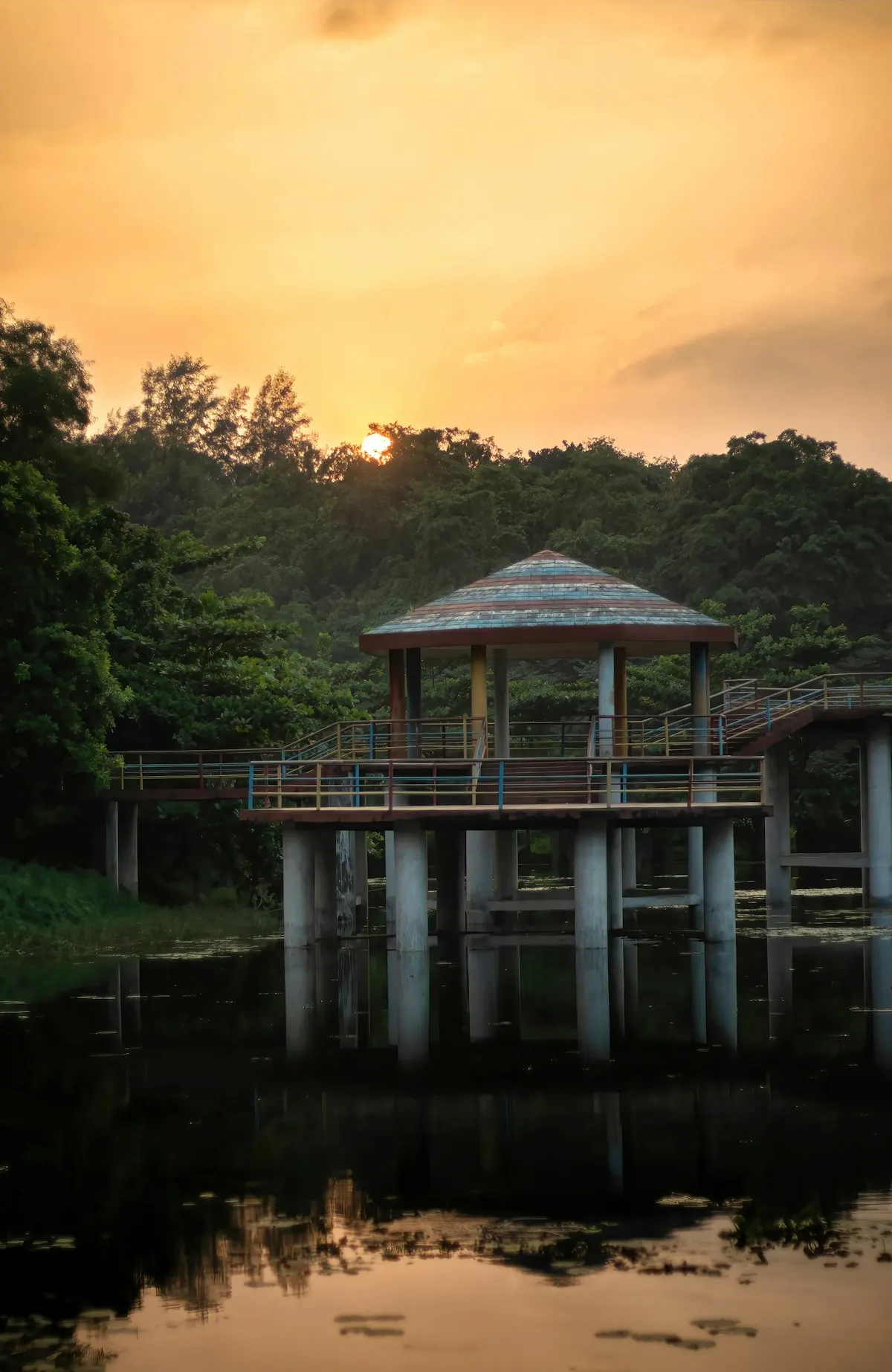
Kit prices barely move by region; freight does, and labor does. The same 10-by-12 hardtop costs the same online for 34.7% of buyers who purchase that way per MarketIntelo, but assembly in a high-wage metro can run at the top of LawnLove's range while a rural crew charges the bottom. Custom builds swing more: frost-depth footings in the Northeast and upper Midwest add excavation and concrete that a Gulf Coast build does not need, while coastal wind zones add engineered anchoring and sometimes stamped drawings.
Lifespan also changes the true annual cost. Modern Shade gives gazebos an average of 10 to 20 years but only 7 to 12 years in Florida's UV, humidity and salt. A vinyl or aluminum structure that costs more up front can cost less per year in the South than a cedar one that needs finishing on the interval Amish Wholesale Gazebos describes. The regional page covers the climate side; the labor side is what written local proposals are for.
The base. A kit assembly price almost never includes the slab, and Angi's $4 to $8/sq ft for concrete on a 120-square-foot pad is several hundred dollars that surprises people. The permit: from up to $150 in HomeAdvisor's 2026 guide to about $450 in Fixr's, depending on the jurisdiction, plus drawings where required, which HomeAdvisor prices at $700 to $1,300 for design plans. The electrician: hardwired lights or a fan are a separate trade at Fixr's $40 to $120 an hour and a separate permit.
Then the smaller lines: freight and curbside delivery on a kit, unloading and carrying, packaging removal, a return visit if the base was not ready, staining a cedar kit that ships raw, and gutters or a cupola on a custom roof. Insurance is a recurring cost rather than a build cost; Progressive notes other-structures coverage is typically 10% of the dwelling limit, which is usually enough but worth checking for a large custom build.
The figures below combine the ranges above into three typical projects. They are planning ranges, not quotes; the custom cost page, the kit assembly cost page and the restoration cost page break each one down further and the calculator adjusts for your footprint and add-ons. Compare a proposal against the lines, not the total, because the total hides which line is out of range.
| Project | Typical 2026 range | Main lines |
|---|---|---|
| 10-by-12 hardtop kit, assembled on new slab | $5,500 to $11,000 | Kit $3,600 to $8,600; assembly $500 to $1,500; slab about $700 |
| 12-by-12 custom cedar, shingles, wood floor, permit | $11,500 to $16,000 | Build $10,800 to $14,400; permit $150 to $450; finish |
| Restore 12-ft octagon: re-roof, screens, stain | $2,500 to $6,000 | Shingles $3 to $5 per sq ft; screens $500 to $800; finish up to $1,500 |
Start with what the bid is for: the interior dimension between posts, the shape, the roofing material and the base detail. If any of those is missing the number cannot be compared. Then look for the exclusions, ideally as a list. A bid with no exclusions is either complete or silent, and silence costs more later. Check that the permit and electrical are each assigned to a named party, and that the schedule has a start window rather than a promise.
Compare the labor line to Fixr's roughly $7,000 on a 9-foot custom build, or to LawnLove's assembly range for a kit, and the per-square-foot total to Homewyse's or Fixr's figures. A bid far below those is usually missing scope; one far above should show why, such as engineered footings or a metal roof. Ask for the change-order rate for surprises in the ground. Then send the same brief to two more pros through the estimate request so the comparison is between like and like.
In order: the octagon, then the screens, then the metal roof, then the composite floor, then the size. Going from octagonal to rectangular saves the most for the least loss of use. Screens can be added later if the posts are spaced for a standard kit. Shingles at Angi's $3 to $5 per square foot are a durable roof; metal can be the next re-roof. Composite flooring at $15 to $40/sq ft is a comfort upgrade on a structure that could sit on a slab.
Do not cut the base, the anchoring or the rating. A cheaper kit with a lower wind rating than your county's design speed, or a slab too thin for the anchors, is the one saving that turns into a total loss. Angi prices a concrete slab gazebo floor at $4 to $8/sq ft against $10 to $17/sq ft for pavers; bundling the slab with other concrete work is a sound way to save.
Homeowner polls
No votes yet. Yours will be the first. · saved on this device
No votes yet. Yours will be the first. · saved on this device
No votes yet. Yours will be the first. · saved on this device
Because it usually describes less. A kit assembly price without the base, a custom price without the permit, or a re-roof without hub flashing all read low on the first page. Line the bids up by scope items before comparing totals. The bid that names its exclusions is the one you can actually compare; the one with none needs a written list before you sign.
Custom construction runs $60 to $100 per square foot installed per HomeGuide and $75 to $100 per Fixr, with Homewyse's September 2026 wood figure at $64 to $95. Kits do not price cleanly per square foot because the product is a fixed unit; dividing a $5,000 10-by-12 kit plus $1,000 of assembly by 120 square feet gives about $50, which is where the kit tier of the calculator sits.
Assembly labor is the same whichever party buys the kit; LawnLove's $500 to $1,500 range covers it. What changes is responsibility. If you buy, missing or damaged parts are your claim with the manufacturer and a return visit may be a paid one. If the assembler supplies the kit, the parts problem is theirs. Ask how each bid handles a short box before deciding who orders.
A concrete slab runs $4 to $8 per square foot in Angi's 2026 table, so about $500 to $1,000 for a 120-square-foot pad. Frost-depth footings for a custom build are priced per post and depend on depth and soil; in northern states with 42 to 48 inch frost lines they are a meaningful part of the labor. Pavers at $10 to $17 per square foot look like a base but need footings under the posts to hold anchors.
Ten percent of the total is the usual planning reserve for a kit on a known base, and 15% for a custom build where the ground is unknown. The common surprises are a slab that turns out too thin, roots or rock at footing depth, a kit missing a box, and a permit office that wants drawings. A reserve is not the same as a change-order allowance in the contract; ask for both.
Because the site visit is when the base and access are seen rather than described. A patio that looked like a slab turns out to be pavers, the gate is 30 inches, or the spot floods. A revised number after the visit is normal; the useful question is whether the change is itemised. A bid that goes up without a new line item is one to question.
Mostly. Fixr's 2025 guide and the 2026 updates from Angi, HomeAdvisor and HomeGuide overlap closely on per-square-foot and kit ranges, which suggests the market moved little year to year. HomeAdvisor's installation labor span of $1,500 to $9,000 is the part most exposed to change, and labor rates in some metros have moved more than materials. Treat any figure over two years old as a floor rather than a midpoint.
Wood needs finish on the interval Amish Wholesale Gazebos describes, every 1 to 2 years, at a few hundred dollars in material if you do it and up to $1,500 if a pro does a 10 to 12 foot structure. Vinyl and metal need a wash and a fastener check. Budget a re-roof once in the structure's life: shingles last roughly as long as house shingles, and Modern Shade's 10 to 20 year gazebo lifespan brackets the frame.
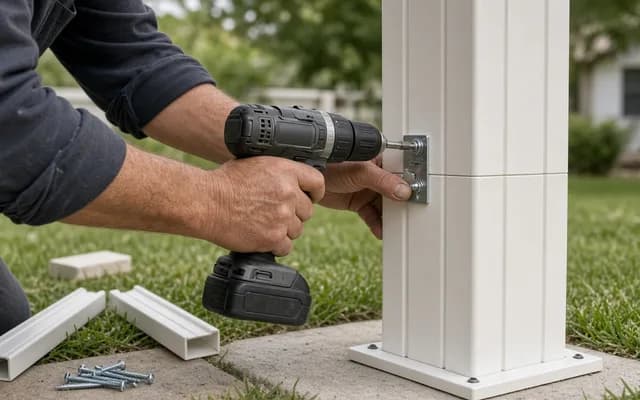
 Service guideCustom Gazebo Construction
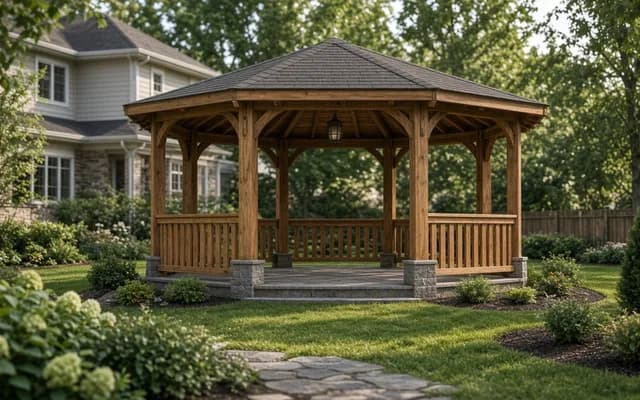
Custom gazebo construction designs the interior dimensions, roof form, supports, base, screens and lighting as one scope for a specific garden or seating layout.
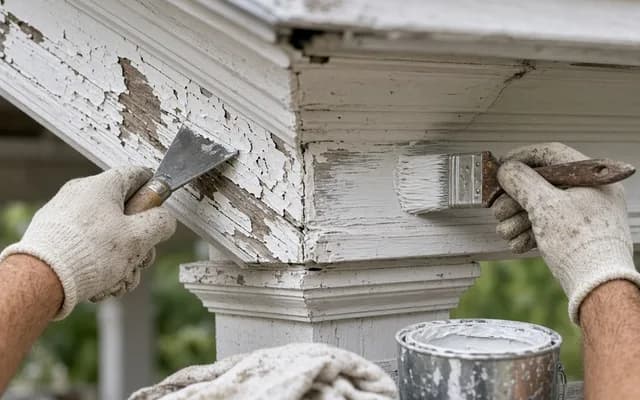
 Service guideGazebo Kit Assembly
Gazebo kit assembly is the professional build of a delivered kit on a prepared base: unloading, parts inventory, anchoring, assembly, roofing and cleanup.
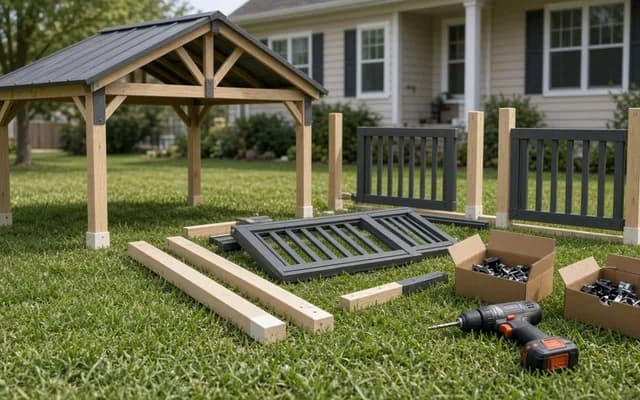
 Service guideGazebo Restoration & Repair
Gazebo restoration and repair covers leaking roofs, deteriorated posts, loose connections, worn decking and tired finishes on a structure worth keeping.
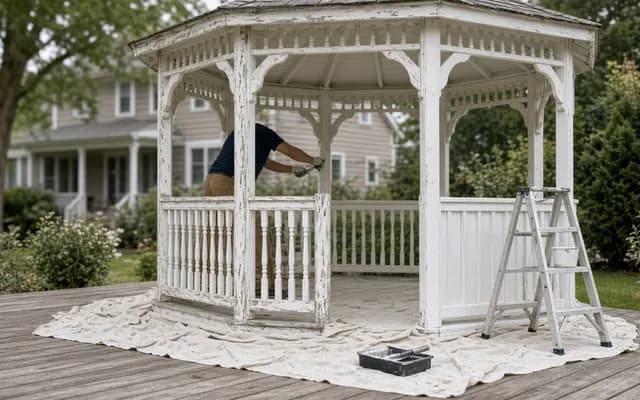
 PlanningHow to plan a gazebo before anyone quotes it
Planning a gazebo means deciding the interior dimension from the furniture, choosing a spot for shade, drainage and the walk from the house, confirming what the structure will stand on, checking access for delivery and the county's snow and wind loads, and writing all of that into a one-page brief.
 MaterialsGazebo materials and options: what lasts where
Gazebo framing comes in cedar, pressure-treated pine, vinyl over a core, aluminum and steel; roofs in asphalt shingle, metal, polycarbonate, wood shake, tile and fabric; floors in concrete, pavers, wood and composite.
 PermitsGazebo permits and codes: what triggers review and what follows
Yes, in most U.S.
 Free toolGazebo cost calculator
Size, material tier and complexity in, a realistic budget range out.
 Free toolCompare gazebo options
Side-by-side tables for the decisions that change the price most.
 Free toolGazebo planning quiz
10 questions that show what you already know and what to check next.
 Free toolGazebo polls
See what other planners chose and add your vote.
Tell us the size, the condition of what is there now, and what you want to change. Gazebo Guidebook passes your request to independent local professionals, who reply with written, no-obligation estimates. The service is free to use.