Repair the existing gazebo or replace it?
No votes yet. Yours will be the first. · saved on this device
Loading...
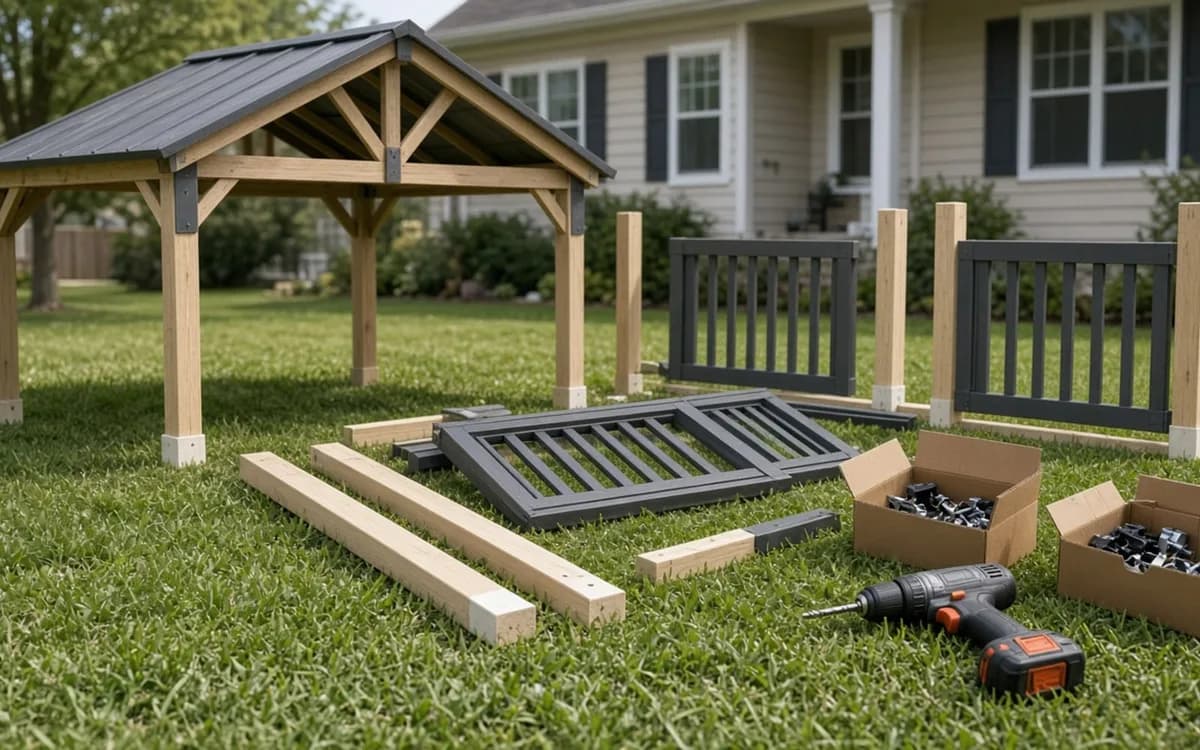
Gazebo Guidebook · Restore the existing gazebo vs Replace with a new build or kit
Repair when the posts are sound at grade, the frame is stiff under a push and the hub can be re-flashed, and the list is roof, screens, floor and finish. Replace when three or more posts have failed, the hub has rotted, or the frame racks on nailed connections. Against Fixr's $7,000 of labour on a 9-foot build, structural repairs that approach it buy an old gazebo without a warranty.
Houzz's 2026 Outdoor Trends Study found 41% of outdoor renovations were triggered by deterioration, and a gazebo shows it early because every part is exposed. The decision is rarely emotional once the assessment is done, but the assessment has to come first, because cosmetic work on a structure with soft posts is money spent twice. This page covers the assessment, the ten-year cost of each path, the climate and pre-sale angles, and how to compare a repair bid with a rebuild bid.
Restoration wins when the posts and hub are sound and the work is roof, screens and finish; replacement wins when the structural list approaches the labor of a new build.
| Factor | Restore the existing gazebo | Replace with a new build or kit |
|---|---|---|
| Upfront cost | Re-roof $3 to $20 per sq ft; screens $500 to $800 (Inch Calculator; Angi) | $3,600 to $8,600 kit or $60 to $100 per sq ft custom (HomeGuide) |
| Lifespan | Adds 5 to 10 years to a sound frame | Full 15 to 30 years by material (Modern Shade; Amish Wholesale) |
| Maintenance | Same schedule as before; finish every 1 to 2 years on wood | Fresh start; choose vinyl or metal to reduce it |
| Appearance | Refreshed original | New design, can match the house |
| Climate fit | Cannot change the roof rating much | Rated or engineered for the county |
| Install time | Days | Weeks, plus kit lead time |
| Resale and ROI | Cheap way to remove a liability before sale | Nearest benchmark: patio recovers 95% (NAR 2023) |
| Best for | Right location, sound posts and hub, tired finish and roof | Soft posts, rotted hub, racked frame, wrong size |
Restore when the assessment finds the posts sound at grade, the frame stiff under a push and the hub repairable, and the wish list is roofing, screens, floor and finish. Inch Calculator's and Angi's figures make that a fraction of a new build.
Replace when three or more posts fail, the hub has rotted, or the frame racks and the connections are nailed. Fixr's $7,000 labor figure on a 9-foot build is the comparison; structural repairs approaching it buy an old gazebo without a warranty. The restoration page walks through the assessment.
Start at grade. Push an awl or a screwdriver into each post at the base and an inch above; if it sinks more than a quarter inch the post is soft. Look for posts sitting directly on concrete or in soil, which is where rot starts, and for standoff bases, which is where it does not. Then push the frame at head height along each axis; a stiff frame barely moves, a racked frame sways and the connections are nailed rather than bolted or bracketed.
Then the roof. Look up at the hub from inside for staining, daylight or soft rafter tops; look at the hips for lifted caps; check the sheathing from below for sag. Finally the floor and railings, which are usually the least important structurally and the most visible. Write the findings as two lists, necessary and optional, which is how the restoration page says a repair proposal should be written.
Repair path: a re-roof at Angi's $3 to $5/sq ft for shingles or $5 to $30/sq ft for metal on 150 to 180 square feet, a screen kit at Inch Calculator's $500 to $800, a finish job up to about $1,500 on a 10 to 12 foot wood structure, and post replacement at a few hundred dollars per post. A typical roof-screens-finish restoration lands between $2,500 and $6,000 and adds five to ten years to a sound frame. Over ten years, add the finish schedule Amish Wholesale Gazebos describes, a new coat every 1 to 2 years.
Replace path: HomeGuide's $3,600 to $8,600 vs $60 to $100/sq ft for a kit or custom build, plus base work if the old base cannot be reused, plus removal of the old structure. A new structure starts a fresh lifespan, 10 to 20 years on Modern Shade's average and up to 20 to 30 years for vinyl, with a warranty. Over ten years the replacement usually costs two to three times the restoration and delivers a structure that fits current furniture and loads. The calculator prices the new build; the restoration cost table prices the repair lines.
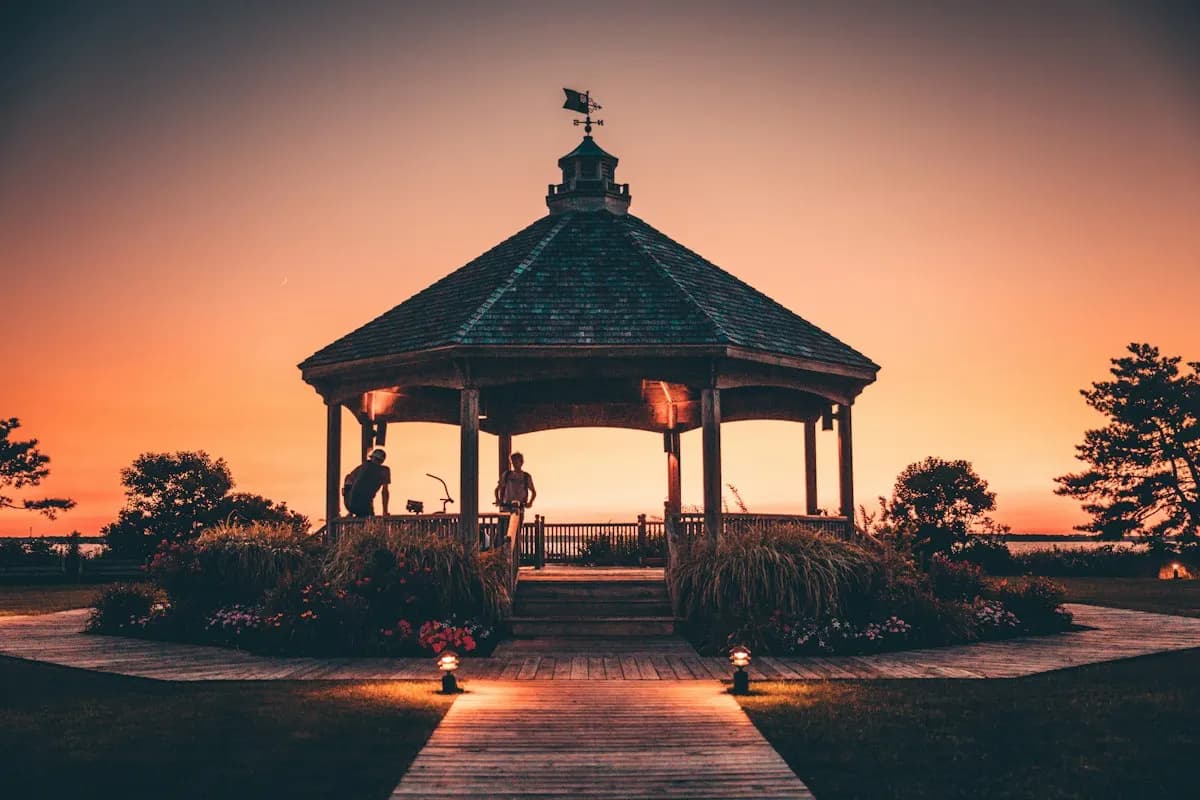
In the humid South and on the coasts, where Modern Shade puts gazebo lifespan at 7 to 12 years, a fifteen-year-old wood gazebo is near the end and the repair list tends to be structural; replacement in vinyl or aluminum is the usual answer. In the dry West, wood lasts and the list is usually finish and roof; restoration wins. In the Northeast and Midwest, the question is the roof rating and the footings: a frame that has racked from frost heave is a replace, a sound frame with a worn roof is a repair.
Region also sets the season. Spring after thaw is when damage shows and when finishes go on best; a restoration booked then is done by early summer. A replacement kit ordered in spring may not arrive until midsummer given the lead times Yardistry publishes, which is an argument for a quick repair now and a planned replacement next year if the frame is marginal. The regional page covers the calendar.
Remove the liability or make it an asset; do not leave it in between. A rotting gazebo is something a buyer's inspector will note and a buyer will price at more than the repair cost. A cleaned, re-roofed, finished gazebo is a listing photograph. The National Association of Realtors' 2023 report found a new patio recovered 95%, which is the nearest benchmark, and the inference is that a modest restoration in the year before listing returns most of its cost.
A full replacement before sale rarely does, because the buyer does not value the fit you chose. If the frame is beyond repair and the sale is near, removal and a tidy patio is the cheapest honest option. If the sale is years away, replace for your own use. NAR found 97% of Realtors say curb appeal matters in attracting a buyer; the gazebo is one of the more visible things in the yard.
Repair mistakes: painting or staining before the assessment; re-roofing without renewing the hub; replacing one post and leaving two soft ones; adding screens to a floor that does not seal to the base; and repairing a kit for more than a new kit costs. Replacement mistakes: reusing a base that was too thin for the old anchors; buying the same size that never fit; ordering a kit rated below the county's loads; and demolishing before checking whether the new structure needs a permit the old one never had.
Both paths share one: deciding by appearance. The grey, streaked gazebo with a sound frame is a repair; the freshly painted one with soft posts is a replace. Probe before you judge, and ask any pro who quotes without probing to come back and do it. The materials article explains why post bases and hub flashing decide lifespan, which is also why they decide this comparison.

Ask the repair pro for two lists, necessary and optional, priced separately, with the assessment findings written down. Ask the builder or assembler for a complete new-structure bid including removal of the old one and any base work. Then compare the necessary repair list alone with the new structure: if the structural repairs, posts, hub, rafters, bracing, come to more than half the new build's labour line, which Fixr puts at about $7,000 on a 9-foot build, replacement is the better buy.
If the necessary list is short and the optional list is where the money is, restore, and treat the optional list as a menu. Check that the repair bid names the hub detail and the post base, and that the rebuild bid names the rating or the footing detail. Send the same photos and assessment notes to several pros through the estimate request and ask each for both paths.
| Finding | Leans repair | Leans replace |
|---|---|---|
| Posts | Sound at grade, or one soft post | Three or more soft, or all bearing in soil |
| Frame | Stiff; bolted or bracketed | Racks; nailed; frost-heaved |
| Hub and rafters | Stained but sound; re-flashable | Rotted rafter tops; hub gone |
| Fit and rating | Right size and location; roof rated for the county | Wrong size; under-rated for snow or wind |
| Necessary repairs | Well under half of new-build labour | Approaching new-build labour |
Homeowner polls
No votes yet. Yours will be the first. · saved on this device
No votes yet. Yours will be the first. · saved on this device
No votes yet. Yours will be the first. · saved on this device
Often, if it is a sound slab or proper footings and the new model's post layout matches or the base can be drilled for new anchors. A different footprint usually means new footings. Have the pro confirm the base against the new model's spec before ordering.
A cedar kit with sound posts, yes; re-tightening bolts, adding braces and re-staining is cheap. A steel hardtop with rusted base plates or a bent frame usually is not, because the parts are not repairable and replacements may be unavailable. Modern Shade gives galvanized steel 12 to 20 years, and rusted plates mark the end.
Many restoration pros fold a look at the structure into a free estimate visit; some charge a small fee for a written assessment with photographs, which is worth paying if you want it as a document for a buyer or an HOA. Ask when you request estimates. The twenty-minute check described above is something you can do yourself first so the pro's visit is spent on the hard questions.
Sometimes, if the posts and beams are sound and the problem is missing bracing or failed nailed connections. A pro can rack it back with come-alongs, add knee braces or metal connectors, and re-anchor the posts. If the racking came from frost heave or soft posts, straightening without fixing the cause repeats the failure. The assessment finding on the posts decides which case you are in.
Rarely for a dining use, because no amount of roofing fixes a table that does not fit. It can be worth it if the use changes: a too-small dining gazebo makes a good retreat or a hot tub cover. If the location is also wrong, replacement is the answer. Tape out the furniture you actually use before deciding, exactly as you would for a new structure.
Removal of a small wood or kit gazebo is a day's labour plus disposal, commonly a few hundred dollars to about a thousand depending on size, access and whether the slab or footings are removed too. Some builders fold removal into the new-build bid. Ask for it as a line so you can compare a rebuild bid that includes it with a repair bid that does not.
Replace the top and check the frame; do not invest in the structure. Modern Shade gives soft-top canopies 2 to 5 years, and the frames under them are usually thin metal designed for the same life. If you want a roofed structure that lasts, the money is better spent toward a hardtop kit or a built gazebo than toward restoring a canopy frame.
Only partly. Better anchoring, standoff bases, added bracing and metal connectors improve wind resistance, and a lighter metal roof reduces load, but rafter size and pitch are fixed. If the county's ground snow load exceeds what the frame was built for, the honest options are a replacement designed for it or clearing the roof after storms and accepting the risk. Ask the pro for a candid answer on this before spending on finish.
Usually a workmanship warranty on the new work only, a year is common, plus manufacturer warranties on new roofing or screen materials. The existing frame carries no warranty, which is the main non-financial argument for replacement when the structural list is long. Ask for the warranty terms in writing and for what the pro will do if hidden rot appears once the old roof comes off.
 ComparisonCedar gazebo vs Vinyl gazebo
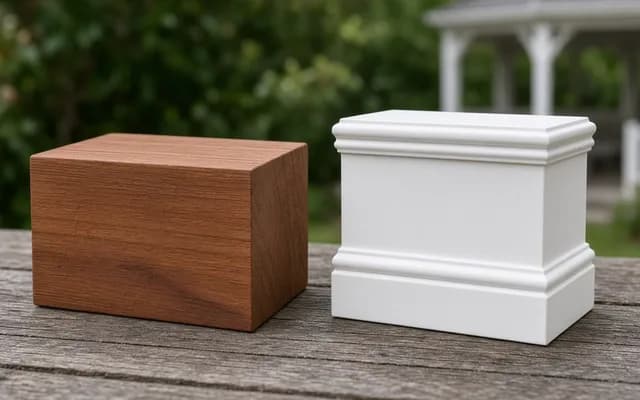
Cedar costs less up front, repairs easily and looks like a garden building, but needs finish every one to two years to reach 20 to 25 years.
 ComparisonGazebo kit with assembly vs Custom-built gazebo
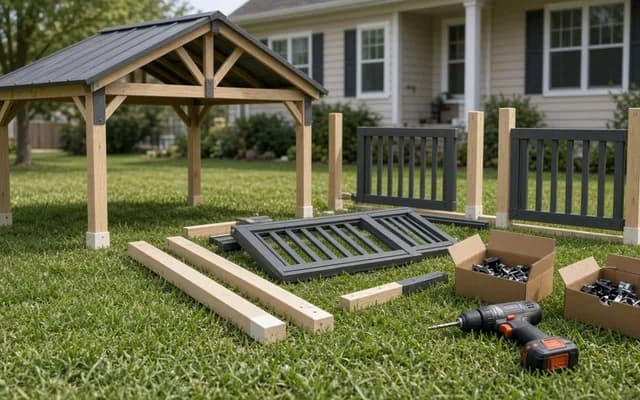
A kit with professional assembly costs $3,600 to $8,600 for the product plus $500 to $1,500 to assemble and delivers a known interior at a known rating in a weekend.
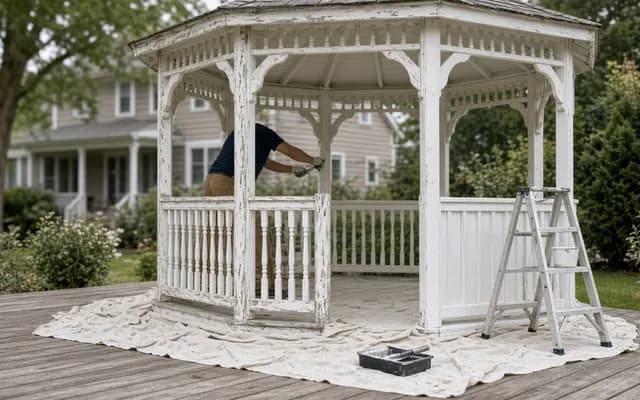 ComparisonAsphalt shingle roof vs Metal roof
Asphalt shingles cost $3 to $5 per square foot, match the house and are patched by any roofer; metal panels cost $5 to $30 per square foot, shed snow and leaves, and usually outlast the frame.
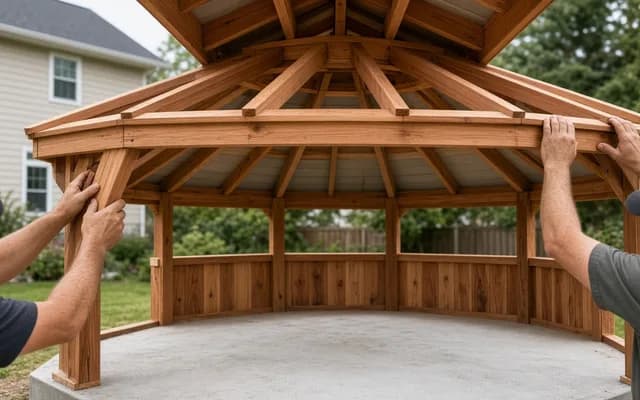 ComparisonOctagonal gazebo vs Rectangular gazebo
An octagonal gazebo costs $5,000 to $12,000 installed against $3,000 to $10,000 for a rectangle in Fixr's shape table, and its eight-sided plan seats four comfortably where a rectangle of similar footprint seats six or more.
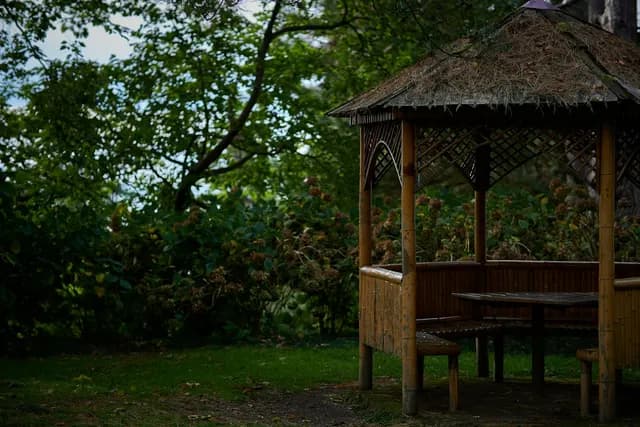 ComparisonGazebo vs Pergola
A gazebo has a solid roof, keeps off rain and costs about $7,590 on average installed per LawnLove, with most paying $5,365 to $9,025.
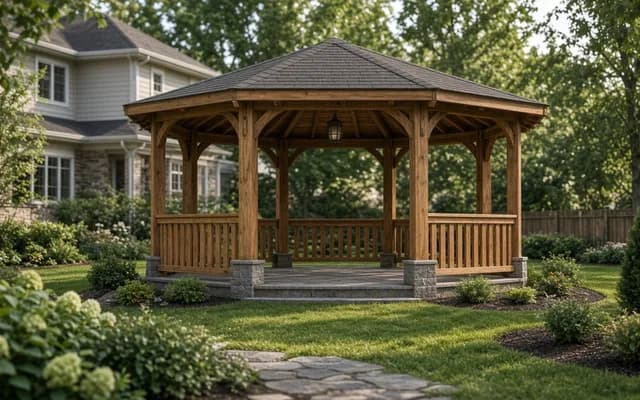 Service guideCustom Gazebo Construction
Custom gazebo construction designs the interior dimensions, roof form, supports, base, screens and lighting as one scope for a specific garden or seating layout.
 Service guideGazebo Kit Assembly
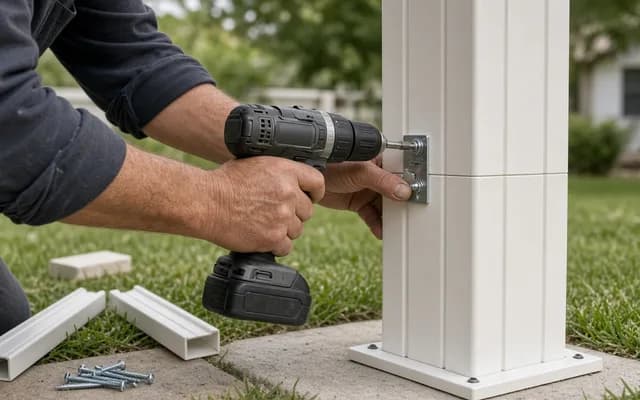
Gazebo kit assembly is the professional build of a delivered kit on a prepared base: unloading, parts inventory, anchoring, assembly, roofing and cleanup.
 Service guideGazebo Restoration & Repair
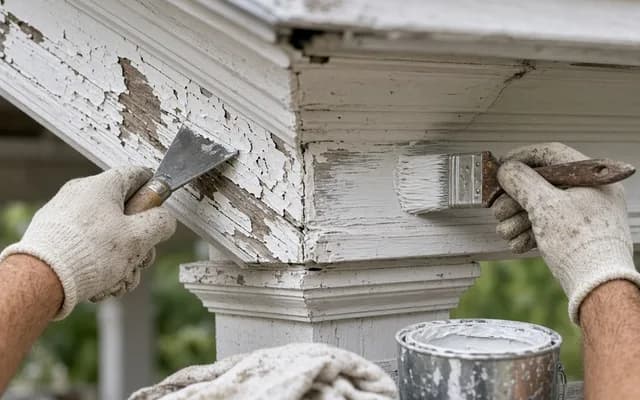
Gazebo restoration and repair covers leaking roofs, deteriorated posts, loose connections, worn decking and tired finishes on a structure worth keeping.
 Free toolGazebo cost calculator
Size, material tier and complexity in, a realistic budget range out.
 Free toolGazebo planning quiz
10 questions that show what you already know and what to check next.
 Free toolGazebo polls
See what other planners chose and add your vote.
Tell us the size, the condition of what is there now, and what you want to change. Gazebo Guidebook passes your request to independent local professionals, who reply with written, no-obligation estimates. The service is free to use.